Stiles & gates
Squeeze stiles, step stiles and ladders
The different ways people have found to get themselves over or through a wall without letting the sheep follow, and the ones I like best.
A wall is built to stop animals. A path is made by people who want to get past it. The stile is the compromise, and over a few centuries the people who build walls have come up with a surprising number of ways to let a walker through while keeping a ewe on the right side.
I have started photographing, or at least noting, every stile I cross. This is a rough field guide to the main kinds, from the ones I meet most often to the ones I have only read about.
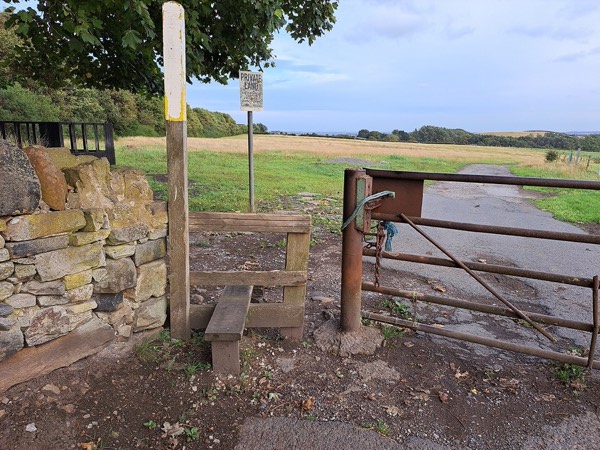
The step stile
The simplest and, to my mind, the most elegant. Long flat stones are built right through the wall so that they stick out on both sides, rising like a staircase: one low step, one higher, and one near the top. You walk up one side, step over the copes, and walk down the other. When the wall is built, the steps are set in as throughstones, which means they help tie the wall together rather than weakening it.
The good ones have a gap in the copes at the crossing point, or a slightly lower section, so you are not stepping over a sharp ridge. The bad ones, usually on remote paths, have steps that are narrow, steep and slippery, and you go over them very carefully, holding the copes and trusting that they will stay where they are. They usually do.
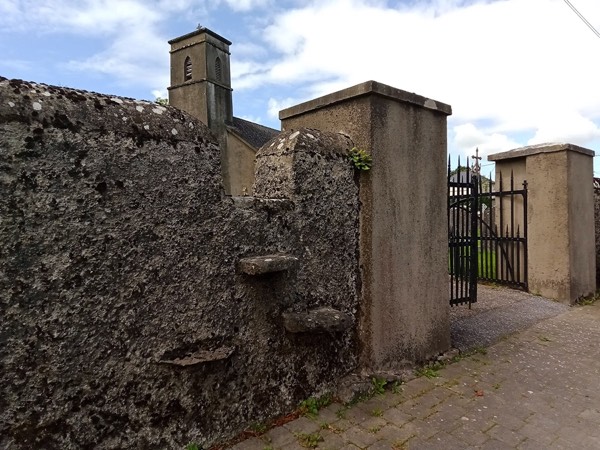
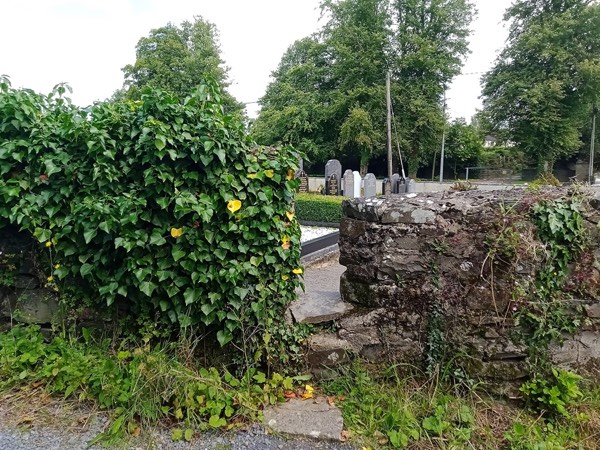
The squeeze stile
My favourite, because it is so simple. Two tall stones, or a gap left in the wall itself, set just wide enough apart for a person’s legs and too narrow for a sheep’s body. Often the gap is wider at the top than at the bottom, a V shape, which suits the human figure and not the ovine one. Some have a small step at the bottom to lift you over a raised threshold stone.
They have various local names. “Gap stile” is common; “fat man’s agony” is the one people repeat with a grin. Several on my local paths are genuinely tight if you are wearing a rucksack, and you learn to turn sideways and lift the bag over first. In some the inner faces of the stones are polished smooth by two hundred years of passing coats.
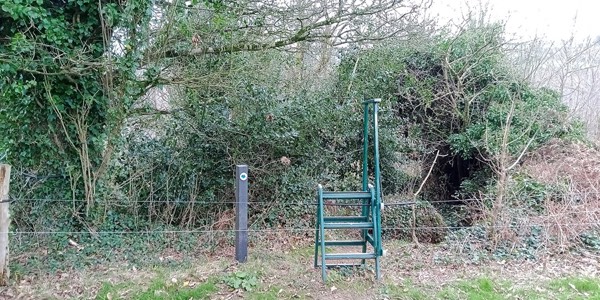
The ladder stile
Where a wall is too high or too important to have steps built through it, or where a wall is newer and nobody wanted to weaken it, you find a wooden ladder stile: a step ladder on each side meeting at a small platform over the copes. They are common in the high fells, especially where long-distance paths cross big walls, and they are the easiest to use, though the wood gets slippery with algae on the north side.
They also tell you something. A ladder stile is usually a sign that the path was formalised later than the wall, by a council or a park authority, rather than built in when the wall went up.
Gaps, gates and other compromises
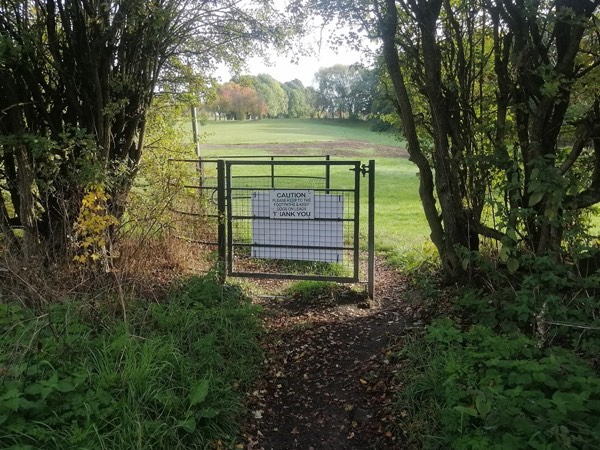
Beyond the three main types there are endless local variations. Some walls have a stone slab set on edge in a gap, low enough to step over but too high for a lamb to jump. Some have a small swing gate that closes itself under its own weight. Kissing gates, where a gate swings within a small enclosure so that it is never open all the way through, have mostly replaced older stiles on busy paths near villages, partly because they are easier for people with dogs or stiff knees.
I am not against the newer gates. My knees are not getting younger either. But I do notice that the old step stiles are disappearing as walls are rebuilt, because it is easier to put in a gate than to find and set long enough stones.
A short code of conduct
A few things I have learned to do at stiles, mostly by being glared at by farmers.
- Use the stile, not the wall next to it. Copes knocked off by someone climbing are the beginning of most gaps on popular paths.
- If a gate was closed, close it. If it was open and tied back, leave it as you found it; it may be open for a reason.
- Lift dogs over step stiles rather than letting them scramble, and let them through squeeze stiles on the lead.
- If you see a loose step or a fallen cope at a stile, tell the landowner or the park’s access team. They genuinely want to know.
The best stile I know is on a path above a valley I will not name, where three long, worn step stones rise out of a wall covered in grey cushion moss and yellow lichen, with a rowan growing out of the wall a few yards away. I have sat on the top step to eat lunch more times than I can count.